
We Are Righteous: The Origin Story Behind the Scenes of the Brand
A story is something that every clothing label claims, yet very few can reveal the particular tension that made the brand necessary at the outset. We Are Righteous was born out of a plain source of dissatisfaction: too many apparel brands were peddling attitude without substance, stamping taglines on flimsy cotton and calling it culture. Those behind We Are Righteous were after something more solid — in both a physical and symbolic sense. They wanted garments that would withstand constant wear while being marked with a name that held significance to the person putting it on. That combination of resilience and purpose is still the common strand running through the brand in the present day.
The name itself — and the thinking behind it — is what separates this origin story from the usual “we started in a garage” narrative. Righteous is not a casual word picked because it sounded cool on a label tag. It was selected because it implies holding steady in what you believe, regardless of trend cycles or pressure from others. Such a principle influenced all aspects from the initial designs to the material-sourcing choices that followed. Knowing this history helps illuminate why the brand’s customers speak of it distinctly than they describe rival labels in the space.
How the Righteous Clothing Brand Began
The first iteration of the righteous clothing brand was not a complete lineup — it was a small set of pieces created to see if the concept would hold up. The founders sketched ideas around a central belief: clothing should operate as a understated declaration of character, not a loud righteout gimmick. Their aim was to create pieces that held their appearance in the third year as they did on day one, which entailed forgoing lower-cost construction methods in favor of tougher seams and sturdier textiles from the start.
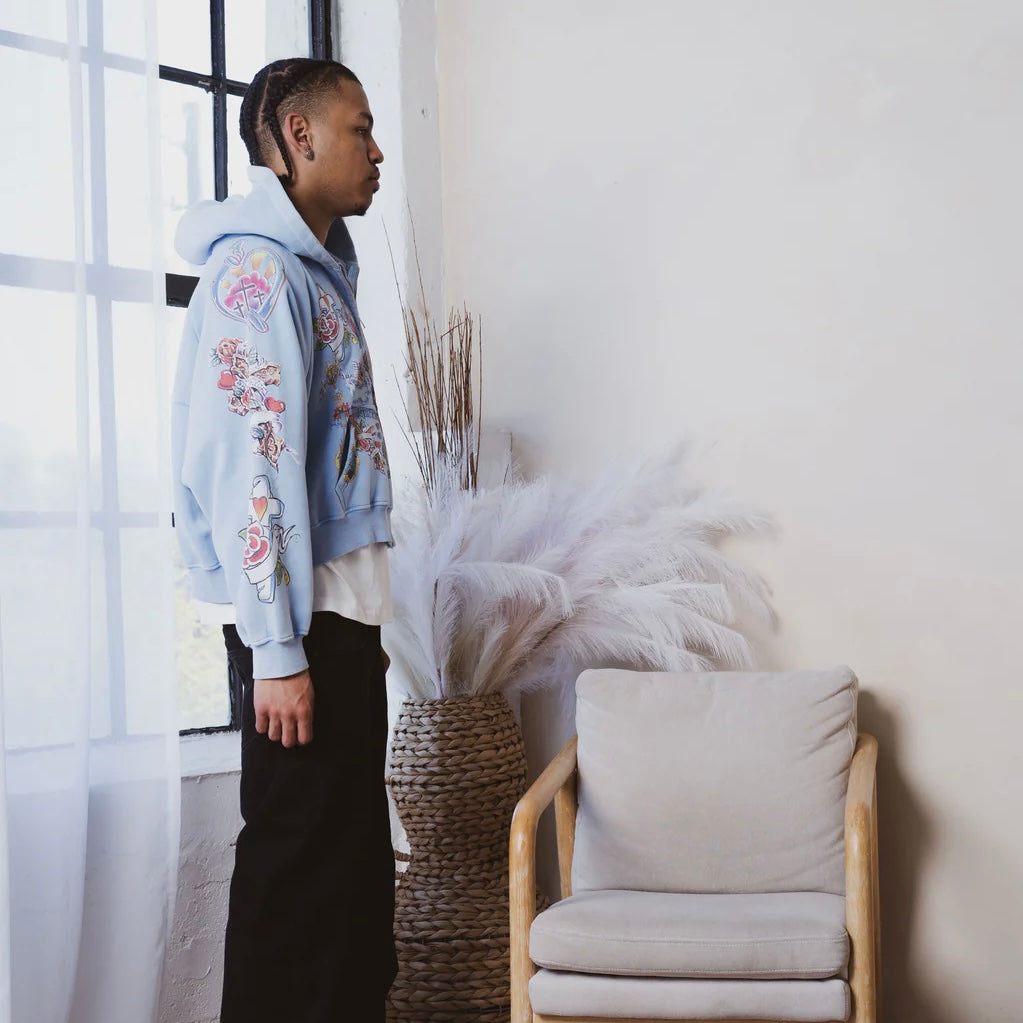
More than most founders acknowledge, that early discipline made a difference. Many apparel new brands debut with a logo and a vision, then scramble to fix shortcomings after the first wave of customer complaints. We Are Righteous took the opposite approach, spending extra time on sizing tests and material trials before putting out anything publicly. That opening launch was purposefully modest, restricted to a few core silhouettes, so the team could gather genuine input instead of scaling blindly. Such a feedback process became a permanent part of how the brand runs, remaining influential on decisions in 2026 the same way it did at launch.
There’s also a community angle to the backstory that’s easy to overlook. The founders never set out to build the brand alone — they hoped anyone drawn to the “righteous” outlook would feel the brand was crafted specifically with them in mind. Those early supporters went beyond simply buying; they were treated like collaborators whose opinions on fit, color, and fabric weight directly influenced the next production run. As a result of that approach, so many devoted customers over the years describe the brand as coming across as personal, not corporate.
Righteous Apparel’s Guiding Ethos Explained
At the center of every righteous apparel release is a simple test: does this piece hold up to both physical wear and the values the brand claims to represent? That two-part filter shows up in decisions about stitching density, fabric weight, and even which prints make it to production. The team has said no to plenty of designs that looked fine on paper but didn’t match the brand’s standard for longevity or message.
This isn’t the kind of brand hunting down every fleeting fad that shows up online. Instead, the focus in designing shifts toward pieces made to endure — shapes and palettes that won’t feel outdated within eighteen months. The fast-fashion loop of excess and quick turnover, which routinely churns out new “must-have” items every couple of weeks only to discard last month’s version almost immediately, is exactly what this approach deliberately breaks from. Because the team is optimizing for a five-year wear life, not a five-week trend window, Righteous apparel takes longer to develop.
There’s also a strong commitment to transparency that comes through in its dialogue with customers. Charts for sizing, fabric breakdowns, and care notes are all made easy to find rather than tucked away in dense legal text, because those behind the brand are convinced honesty, rather than marketing gloss, is what builds real trust. That approach has paid off in customer retention — repeat purchase rates for the brand’s core hoodie line have consistently outperformed its single-item buyers, according to the company’s own sales data referenced in earlier updates.
The Righteous Hoodie: a Flagship Piece
If a single piece that defines the brand’s essence, it’s the righteous hoodie. It earned flagship status almost unintentionally — early customers kept reordering it in different colorways faster than any other product in the catalog, and the team took notice. More than the name on the chest, the hoodie’s popularity stems from a silhouette that flatters across body types, matched by a weight sturdy enough for cooler months yet never feeling bulky.
Build-process calls for the hoodie reflect the company’s overarching ethos. Reinforced cuffs, reinforced double-stitched seams at high-wear points, and a fabric blend chosen for being soft yet hard-wearing all point back to that core belief: clothing should last, not just look good in a product photo. In reviews, customers who’ve kept the hoodie across multiple seasons frequently note that it retains its shape and color better than similar items from bigger-name rivals — something that resonates with loyal wearers far more than flashy marketing ever could.
Among the brand’s following, the hoodie has evolved into something like a cultural signal. Wearing it signals familiarity with the brand’s backstory and its values, not just an appreciation for the design. That kind of thing is far harder to fabricate than a solid logo — it requires consistent product quality over multiple release cycles, which is exactly what the flagship hoodie has delivered since it first appeared in the catalog.
What a Righteous Review Actually Reveals
Search for a righteous review online in 2026 and a pattern emerges quickly: customers focus less on hype and more on fit, fabric feel, and whether the piece matches its product description. That marks a real departure from the over-the-top unboxing culture that dominates so much streetwear marketing. Reviewers covering We Are Righteous tend to zero in on particular details — how the hoodie fits after repeated washes, whether the stitching holds together, whether the sizing runs accurately.
That kind of specificity in a we are righteous review says something about the brand’s actual performance, not just its marketing. Feedback that emphasizes long-term durability over initial impressions tends to matter more to prospective buyers, and it’s exactly this kind of feedback that has shaped this brand’s reputation.
Across a we are righteous review, common threads also include customer service responsiveness and how well the finished item matches its online presentation. Consistency between marketing images and the delivered item is one of the most frequently praised aspects, since so many online apparel brands struggle with that exact gap. When shoppers describe the product as looking “just like the photos,” it’s a meaningful sign in an industry plagued by mismatched expectations.
We Are Righteous Versus the Competition
For context, here’s how the we are righteous brand’s key attributes stack up against typical fast-fashion competitors in the same price tier.
| Attribute | We Are Righteous | Standard Fast-Fashion Rival |
|---|---|---|
| Design approach | Seasonal drops geared toward long-term wear | Weekly drops, trend-chasing |
| Fabric approach | Denser fabric paired with reinforced seams | Thin fabric aimed at cutting costs |
| Customer input cycle | Customer feedback directly shapes upcoming runs | Minimal, data-driven only |
| Signature item | Righteous hoodie, repeat-purchase favorite | Ever-changing “hero” items and poor customer retention |
| Messaging strategy | Rooted in values and delivered consistently | Trend-driven, inconsistent |
This comparison isn’t meant to dismiss competitors outright — fast-fashion models serve a purpose for shoppers prioritizing low prices over longevity. What it does make clear, though, is why countless shoppers hunting for a righteous clothing brand become repeat customers after trying a piece firsthand. The value proposition is different by design, not by accident.
Where the Brand Stands in 2026
As 2026 arrives, We Are Righteous continues to expand its catalog while remaining faithful to the same founding principles that defined its first small drop. Fresh color options and shapes have expanded the range, but the emphasis on durable fabric and honest marketing has remained steady. The brand’s growth has been steady rather than explosive, which tracks with its approach of growing deliberately and avoiding the overextension that sinks so many new fashion brands.
As a measure of how the brand is doing, customer loyalty stands out. Revenue continue to be anchored by repeat buyers, and the flagship hoodie remains a standout seller every cycle. For anyone on the fence about trying it out, the founding story offers a useful lens: this isn’t a brand after quick virality, but instead one shaped by the conviction that clothing should express both style and values. That distinction is exactly what continues to set righteous clothing apart in a crowded market.
Recent Comments