
Prestige Clothing는 Sizing Guide: Finding Your Ideal Size
Landing on the right fit shouldn’t resemble guesswork, yet for countless shoppers looking around a prestige store online, it regularly does. Size charts shift between brands, fabrics respond differently after washing, and what works on one body type well may hang oddly on another. This guide breaks down how to approach sizing when shopping the prestige collection, so you spend less time returning items and more time wearing pieces that actually work for you. Whether you’re eyeing a prestige hoodie for everyday wear or building out a wardrobe from prestige clothing across categories, understanding measurements matters more than trusting the label size alone. We’ll go over hands-on steps, typical fit problems, and how to make sense of sizing information the right way. By the end, you should feel confident ordering from prestige clothes without the usual second-guessing.
Why Sizing Confusion Happens in the First Place
There’s no consistent benchmark for garment sizing, so a medium from one brand won’t necessarily line up with a medium in a different one. This is the case across the bulk of fashion retail, not only one label, and it’s a significant reason shoppers pause before checkout. What the fabric is made from also matters — a cotton-blend hoodie behaves differently when stretched than a heavier fleece piece, even if both are tagged the same size. Differences in body shape also influence how things fit; two people with the same height and weight can need different sizes depending on shoulder width, torso length, or hip proportion. When people search “what is prestige” prestige clothing and land on the site, one of the first things they usually want clarity on is whether the sizing runs true, small, or large. That question matters because it directly affects purchase confidence. Understanding these variables before you buy cuts the likelihood of ordering the wrong fit and a frustrating return process.
Measure Yourself First — Don’t Rely on Your Usual Size
| Category | Measurements to Take | Common Mistake |
|---|---|---|
| Hoodies | Shoulder width, chest, and arm length | Relying on your usual size instead of the actual shoulder measurement |
| T-Shirts | Preferred chest and length | Not accounting for shrinkage from washing |
| Outerwear | Chest measurement with extra room for layering | Sizing too tight to allow underlayers |
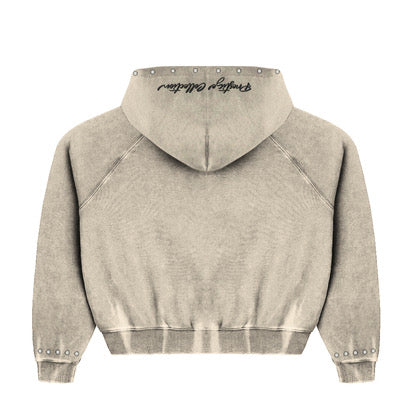
Rather than trusting memory of your habitual size, and take direct body measurements—this remains the single most reliable method to select the right size. Use a soft measuring tape and record your bust or chest measurement, waist, hips, and, for tops, your arm length from shoulder to wrist. Jot the figures down ahead of shopping so you avoid measuring under pressure at checkout. Specifically for hoodies and outerwear, also measure your shoulder width as it naturally falls, since a boxy fit and a snug fit require different shoulder allowances. Plenty of buyers believe their size never shifts throughout the year, but minor changes in weight or how you layer (like wearing a hoodie over a t-shirt versus alone) can change what fits comfortably. After gathering your measurements, check them against the particular sizing chart for the item you’re considering rather than trusting that your typical size fits universally.
How to Read a Size Chart the Correct Way
A size chart usually shows bodily dimensions in inches or centimeters beside matching size names like S, M, L, or numeric sizing. Where many buyers go wrong is defaulting to their typical labeled size instead of aligning their true measurements with the chart. If your chest measures 40 inches and the chart lists Large as 39–41 inches, that’s your size — no matter what you typically size as elsewhere. Pay attention also to whether the chart is based on the garment’s dimensions or the body it’s designed to fit, since these can be off by an inch or two for built-in ease. Charts based on garment measurements work best for structured items, while charts using body measurements suit stretchy fabrics better. If a product page includes both, rely on the garment figures for precise fit, and use body measurements to double-check your sizing decision.
Fit Preferences: Slim, Regular, and Oversized Explained
Terms describing fit can be every bit as puzzling as sizing numbers, particularly when brands use descriptive terms instead of precise figures. A slim fit generally hugs the body more through the chest and arms, leaving less space to layer beneath it. A regular fit allows a bit more ease throughout, typically one or two extra inches versus slim styles. Oversized fits, widely seen in recent hoodie and streetwear-inspired collections, are designed with significant extra room in the shoulders, sleeves, and body length — often two to four inches beyond regular sizing. When shopping prestige clothing for this style specifically, think about going a size smaller if you like the oversized style but not the added length, since these cuts come with built-in extra room already. By contrast, if you’re ordering a slim-fit item and you’re torn between sizes, sizing up is usually safer than sizing down for comfort reasons.
Fit Notes by Category
| Category | What to Measure | Common Mistake |
|---|---|---|
| Hoodies | Chest, shoulder width, arm length | Relying on typical size rather than actual shoulder measurement |
| T-Shirts | Chest size along with preferred length | Ignoring shrinkage after wash cycles |
| Outerwear | Chest plus room for layering | Choosing a fit too snug for layering underneath |
Various clothing categories call for varying sizing considerations, and applying a one-size-fits-all approach often produces poor-fitting purchases. Sweatshirts and hoodies should be checked with focus on arm length and overall body length, since these items are often layered over other pieces when temperatures drop. In addition to waist size, bottoms need careful attention to inseam and rise, especially if you are tall or petite relative to typical size references. When it comes to outerwear, layering space should always be factored in — what fits comfortably over a t-shirt may feel constricting layered atop a hoodie. Because fitted tops rely so much on torso length, taller-than-average shoppers should check the garment’s total length to avoid an uncomfortably short fit. These category-specific checks take a few extra minutes but meaningfully reduce return rates.
Contrasting Types of Fit at a Glance
The table below breaks down how the three standard fit categories tend to differ in terms of ease and recommended sizing approach. Use it as a handy guide when weighing fit types while browsing a product listing.
| Fit Type | Usual Allowance Added | Best For | Sizing Tip |
|---|---|---|---|
| Tailored Slim Fit | 0–1 inch | Light layering with a sharp, fitted look | Size up if between sizes |
| Classic Fit | 1–2 inches | Daily wear comfort with moderate layering | Matches your measured size accurately |
| Oversized Fit | 2–4 inches | A streetwear-inspired look with heavy layering | Opt for a smaller size to shorten the length |
What Shoppers Say in Prestige Review Feedback
Customer feedback is among the most valuable resources for getting a sense of true-to-life fit, frequently more dependable than relying on a size chart by itself. Checking a prestige review prior to buying can reveal whether a particular piece comes up small, large, or accurate to size based on what previous purchasers report. Seek out reviews where the buyer notes their height, weight, or usual size together with how the item worked for them — that added context turns their feedback into something far more actionable than a generic remark. When several reviews repeatedly note that an item “runs large” or “fits snug in the shoulders,” that’s a strong signal worth heeding. Checking review dates matters too, as fabric or cut changes for the 2026 season could have altered fit slightly versus older stock. Pairing review insights with your own measurements offers the fullest picture before you commit to buying.
Prestige 2027 & Fit Updates by Season
Sizing specs on some items might get adjusted based on buyer responses and updated fabric sourcing, as collections move forward ahead of prestige 2027 planning cycles. This is standard across the apparel industry—brands routinely adjust cuts slightly season over season to address frequent sizing concerns. If you’ve shopped with the brand in the past and loved the fit, it’s still worth re-verifying the size chart on fresh drops rather than taking for granted matching measurements. Shifts in fabric by season, such as a move to thicker fleece for chillier weather, can also alter how a garment drapes even if the published measurements hold the same. Remaining watchful to item details and update notes makes sure you’re always working with up-to-date sizing information rather than outdated assumptions from a earlier collection.
Getting the Most From Best of Prestige Clothing Picks
As you look through best of prestige clothing selections, whether that’s a signature hoodie or a adaptable layering piece, use the same measurement-first approach rather than deciding based on instinct. Start with your own numbers, cross-reference the specific size chart for that item, and account for the fit type: slim, regular, or oversized—before finalizing your selection. If you’re shopping for gifts, selecting a regular fit in the recipient’s known size is usually the safest choice, since it steers clear of the extremes of slim or oversized cuts. When shopping for yourself, don’t hesitate to combine fits across categories; an oversized hoodie paired with regular-fit bottoms is a popular and comfortable combination. Taking these extra few minutes during the shopping process pays off substantially in lowered returns and greater satisfaction with your final purchase.
Recent Comments